
This article has information from the quantum computer expert John Preskill. We are going to get more and better quality qubits with lower error rates.
The overhead cost for error correction improves as gate error rate declines.


The Google Quantum supremacy demonstrations confirmed the quantum world has huge computing resources. We are in the noisy qubit era. We can explore heuristic quantum algorithms. We might get near-term quantum advantage for useful applications but this is not guaranteed.
Near-term algorithms should be designed with noise resilience (noisy qubits) in mind.
We will get good truly random number generation and will explore new quantum simulation of complex systems.
Lower quantum gate error rates will lower the overhead cost of quantum error correction, and also extend the reach of quantum algorithms which do not use error correction.
Dequantization: Practical uses of quantum linear algebra and of quantum-inspired classical algorithms are still unclear.
Quantum dynamics of highly entangled systems is especially hard to simulate, and is therefore an especially promising arena for quantum advantage.
NISQ will not change the world by itself. Realistically, the goal for near-term quantum platforms should be to pave the way for bigger payoffs using future devices. Progress toward fault-tolerant QC must continue to be a high priority for quantum technologists.
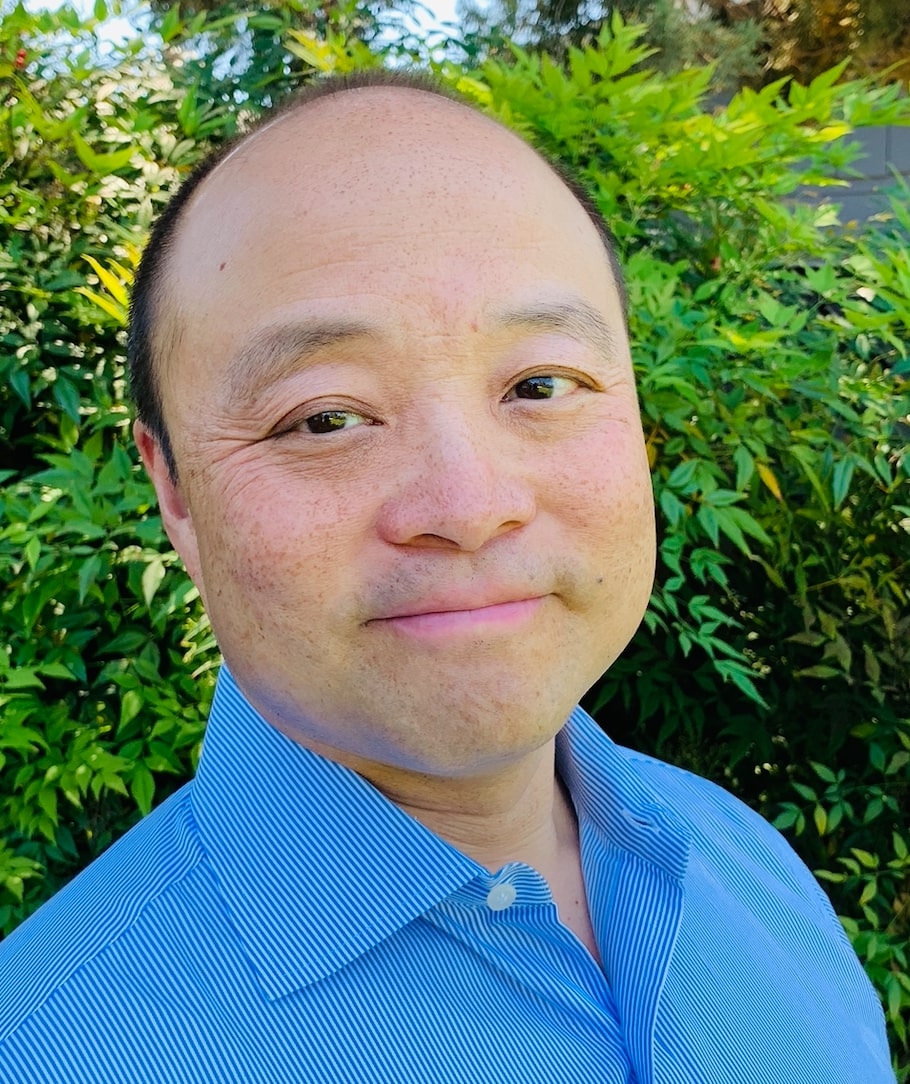
Brian Wang is a Futurist Thought Leader and a popular Science blogger with 1 million readers per month. His blog Nextbigfuture.com is ranked #1 Science News Blog. It covers many disruptive technology and trends including Space, Robotics, Artificial Intelligence, Medicine, Anti-aging Biotechnology, and Nanotechnology.
Known for identifying cutting edge technologies, he is currently a Co-Founder of a startup and fundraiser for high potential early-stage companies. He is the Head of Research for Allocations for deep technology investments and an Angel Investor at Space Angels.
A frequent speaker at corporations, he has been a TEDx speaker, a Singularity University speaker and guest at numerous interviews for radio and podcasts. He is open to public speaking and advising engagements.
